Top 2026 Trends in TFT Touch Screen Technology You Need to Know?
As we venture into the future, the significance of TFT Touch Screen technology continues to grow. This year, interest in this technology is surging, driven by advancements in design and functionality. The versatility of TFT Touch Screens makes them essential in various sectors, including consumer electronics, automotive, and medical devices.
Users increasingly demand vibrant displays and responsive interfaces. TFT Touch Screens offer the clarity and speed that modern applications require. However, with innovation comes challenges. Issues like screen durability and power consumption warrant careful consideration. These aspects should not be overlooked when evaluating new applications of this technology.
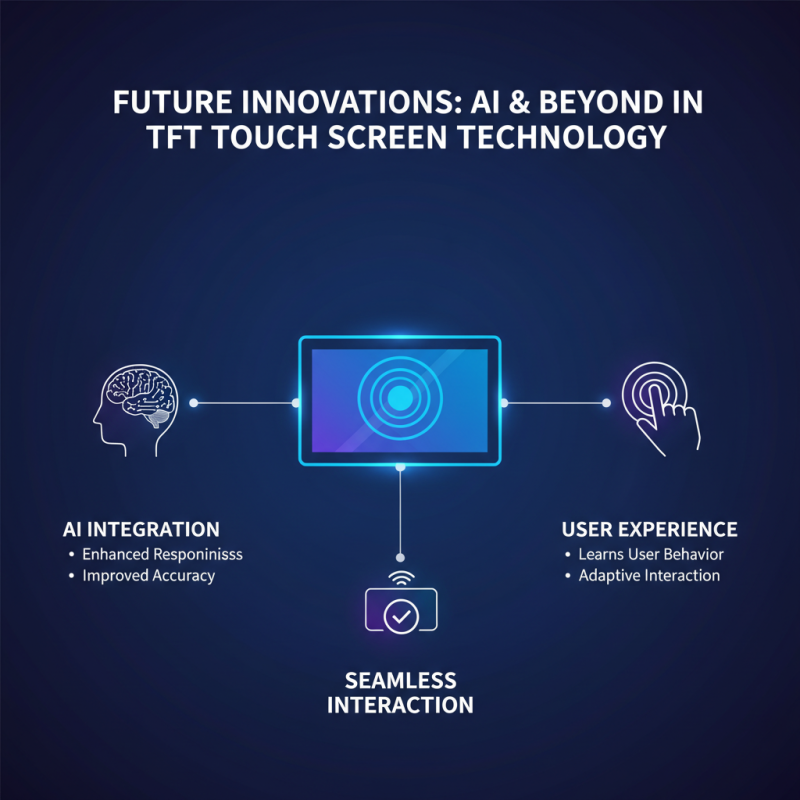
In 2026, we can expect several trends that will shape the TFT Touch Screen landscape. From improved touch sensitivity to enhanced multitouch capabilities, these developments could redefine user experience. Adapting to these changes will be crucial. Embracing the future of TFT Touch Screens might lead to remarkable advancements, but it requires ongoing reflection and adaptation.
Emergence of Flexible TFT Touch Screen Displays
The emergence of flexible TFT touch screen displays marks a significant shift in display technology. Flexibility allows screens to be bent and shaped, opening up new design possibilities. Imagine smartphones that wrap around your wrist or tablets that fold like a notebook. This adaptability comes with challenges.
Manufacturers face issues like durability and production costs. Flexible screens must withstand regular use without damage. The technology is still evolving, which means users may experience inconsistencies and limitations. Some displays could suffer from reduced brightness or color accuracy.
Additionally, the transition from rigid to flexible screens raises questions about compatibility. Older devices may not support the new technology. Users might need to rethink their interactions with gadgets. As flexible TFT technology progresses, it creates exciting opportunities, but also uncertainties that require careful consideration.
Emergence of Flexible TFT Touch Screen Displays: Trends in 2026
Integration of Advanced Touch Technologies in TFT Screens
The integration of advanced touch technologies in TFT screens is revolutionizing user interaction. Touchscreen displays are becoming more responsive and intuitive. Innovations like haptic feedback enhance the tactile experience. Users expect more than just a visual display now. They crave real-time feedback that feels natural.
Touch technologies are evolving, but challenges remain. Issues like palm rejection continue to affect accuracy. Designers are under pressure to create flawless interfaces. There are advancements in multi-touch support, yet it can still be cumbersome. Better sensitivity and precision are essential for seamless use.
Furthermore, the shift towards flexible displays presents unique opportunities. Foldable and bendable screens could redefine our interaction. However, durability is a significant concern that needs addressing. These developments push the boundaries of traditional screens, yet user experience must not be compromised. It is crucial to balance innovation with practicality.
Enhancements in TFT Touch Screen Durability and Performance
The durability and performance of TFT touch screens have seen significant advancements in recent years. Reports indicate that these screens now offer improved scratch resistance and enhanced brightness levels. According to a recent industry study, over 70% of manufacturers are investing in materials that extend the life of touch screens. The trend is clear: consumers demand screens that can withstand daily wear and tear.
Tips: Consider using protective coatings. This can enhance screen longevity and viewability.
Moreover, the response time of TFT touch screens is improving, with some models achieving less than 10 milliseconds. This means smoother interactions and an overall better user experience. However, not all enhancements come without challenges. Some manufacturers struggle with balancing durability and sensitivity. Finding the right materials is a critical aspect in the design process.
Tips: Always check responsiveness ratings. This will ensure you choose the best option for your needs.
As we approach 2026, the focus on sustainable materials is anticipated to grow. There’s a push for eco-friendly alternatives in TFT technology. Despite advancements, some manufacturers still face obstacles in integrating these materials without compromising performance. This is a crucial area to explore in the coming years.
Sustainability Trends in TFT Touch Screen Manufacturing
The shift towards sustainability in TFT touch screen manufacturing is gaining momentum. Manufacturers are focusing on eco-friendly materials and processes. This change is not just a trend; it’s a necessity. Using recycled materials can decrease waste and lower carbon footprints. Reducing e-waste is also crucial.
One area of improvement is energy consumption. Many manufacturers are exploring ways to enhance energy efficiency. Innovative processes, like low-temperature fabrication, are emerging. These methods use significantly less energy. However, it is essential to ensure product quality is not compromised.
Tips for embracing sustainability in TFT production:
- Consider sustainable materials for components.
- Look for energy-efficient manufacturing methods.
- Promote recycling initiatives within the company.
Balancing innovation and sustainability remains a challenge. Some practices may seem costly initially, yet they can yield long-term savings. Regular assessments are vital to measure progress. A continuous push towards greener practices helps drive the industry forward.