Leave Your Message

Top Display Touch Panel Innovations Transforming User Experience?

The evolving landscape of Display Touch Panels is reshaping user interaction across various devices. According to a recent report by Market Research Future, the global touch panel market is projected to reach $50 billion by 2025, driven by advancements in technology and consumer demand for intuitive interfaces. This growth highlights the transformative potential of these innovations in enhancing user experience.

Experts emphasize the significance of user-friendly designs in setting products apart. Dr. Emily Rice, a leading figure in touch technology research, states, "Innovative Display Touch Panels are redefining how users engage with devices." Products featuring advanced touch panels offer more than functionality; they provide seamless, immersive experiences that users increasingly crave.

Despite these advancements, challenges remain. Some users still struggle with responsiveness issues. Companies must focus on refining their technologies while also considering user feedback. The journey toward the perfect Display Touch Panel is ongoing, but the commitment to improvement is essential for maintaining a competitive edge in this dynamic market.

Top Display Touch Panel Innovations Transforming User Experience?

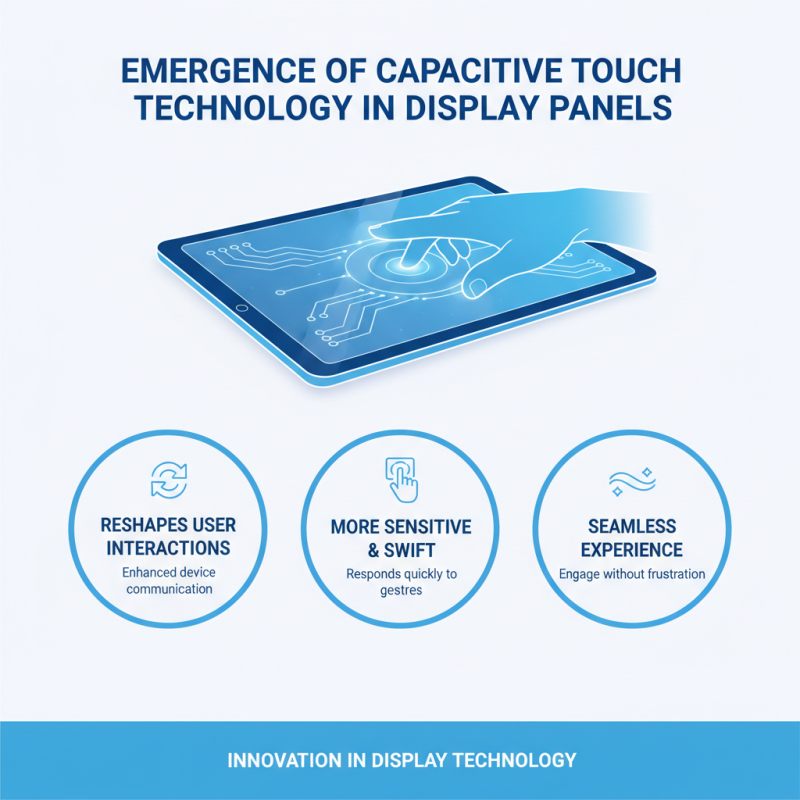
Emergence of Capacitive Touch Technology in Display Panels

Top Display Touch Panel Innovations Transforming User Experience?

The emergence of capacitive touch technology is reshaping user interactions. This innovation has enhanced the way we communicate with devices. Capacitive touch panels are more sensitive than traditional options. They respond swiftly to our gestures and taps. This responsiveness creates a seamless experience, allowing users to engage without frustration.

Tips: Ensure your fingers are clean and dry while using capacitive screens. Smudges can reduce sensitivity. If your device is unresponsive, try recalibrating the screen. It’s a simple fix that may restore peak performance.

Capacitive panels use conductive materials to recognize touch. This process enables multi-touch capabilities, letting users zoom and swipe freely. However, challenges arise. Not all surfaces work well with capacitive technology. Some users may mistakenly activate features due to unintentional touches. Regular updates and refinements in software can help address these issues.

Tips: Experiment with different touch gestures to discover hidden features. Don’t hesitate to reach out for support if issues persist. Each interaction is an opportunity to learn. Engage actively with your device for the best experience possible.

Revamping User Input: The Role of Gestures in Touch Interfaces

Gestural input is changing how we interact with touch interfaces. Instead of relying solely on taps or swipes, users can now control devices with hand movements. This shift feels natural and intuitive. Imagine waving your hand to scroll through pages or pinching to zoom. These actions mimic real-world gestures, creating a more engaging experience.

However, the technology behind gestures can be inconsistent. Sometimes it fails to recognize a simple hand wave or misinterprets a natural flick. These frustrations may lead users to revert to traditional methods. Developers are aware of these challenges but finding the right balance in technology is complex.

Moreover, users may not be familiar with gesture controls. A gesture that works for one person might confuse another. This discrepancy can hinder adoption. Educating users isn’t just an afterthought; it’s crucial for success. As devices become more innovative, the path forward will require refining gesture recognition while ensuring accessibility for everyone.

Top Display Touch Panel Innovations Transforming User Experience

This chart illustrates the impact scores of various touch interface innovations on user experience, highlighting the importance of features like multi-touch and gesture recognition in enhancing interaction.

Advancements in Haptic Feedback for Enhanced User Interaction

Haptic feedback is revolutionizing how users interact with touch panels. This technology enables users to sense more than just visual elements on their screens. Tiny vibrations and motions create an engaging experience. Users feel the response when they touch virtual buttons. It gives a sense of real interaction. This can lead to a more intuitive interface.

Innovations in this area are not without their challenges. Some might find the feedback too subtle or even distracting. Balancing the strength of feedback is crucial. A subtle tap may not convey enough information. Conversely, too much force can be jarring. Manufacturers need to collect user feedback continuously. Iterative design is essential in improving these interactions.

Furthermore, not all haptic technologies are the same. Some work best on smaller devices, while larger screens pose unique challenges. Ensuring uniformity in feedback across various devices can be tricky. There is room for improvement in how these systems respond to different gestures. As we push forward, the goal should be seamless interaction without losing the joy of physical sensation.

Top Display Touch Panel Innovations Transforming User Experience

Innovation Type Description Advantages User Interaction Enhancement
Capacitive Touch Uses electrical conductivity to detect touch. Higher responsiveness, multi-touch capability. Improves user precision and speed.
Haptic Feedback Tactile responses to touches or gestures. Enhances realism and engagement. Increases tactile interaction and learning retention.
OLED Displays Organic light-emitting diode technology for displays. Better contrast, thinner form factor. Richer colors enhance visual experience.
Anti-Glare Coatings Coating that reduces reflections and improves visibility. Less eye strain, better outdoor usability. More comfortable extended use.
Gesture Recognition Detects user gestures without physical contact. Enhanced accessibility, hygiene benefits. Allows intuitive control and navigation.

Integration of AI and Machine Learning in Touch Panel Design

The integration of AI and machine learning into touch panel design is reshaping user experiences. These technologies can tailor responses based on user behavior, making interactions more intuitive. For example, touch panels can learn preferences over time. They adapt sensitivity levels based on user input. This could lead to a smoother experience in public settings or homes.

However, these advancements come with challenges. The reliance on AI can sometimes result in unexpected responses. A user might tap lightly, but the panel could misinterpret that as a different command. It requires careful calibration. Balancing responsiveness and accuracy is vital here. Also, privacy concerns arise with data collection. Users want personalization, yet they worry about being monitored.

Moreover, the potential for technical issues cannot be ignored. If a panel's learning algorithm malfunctions, it may frustrate rather than assist. Designers must ensure robust systems that can handle errors gracefully. Building user trust is essential. They need to feel confident that their inputs are understood, enhancing the overall interaction.

Exploring Flexible and Curved Displays for Innovative User Experiences

Top Display Touch Panel Innovations Transforming User Experience?

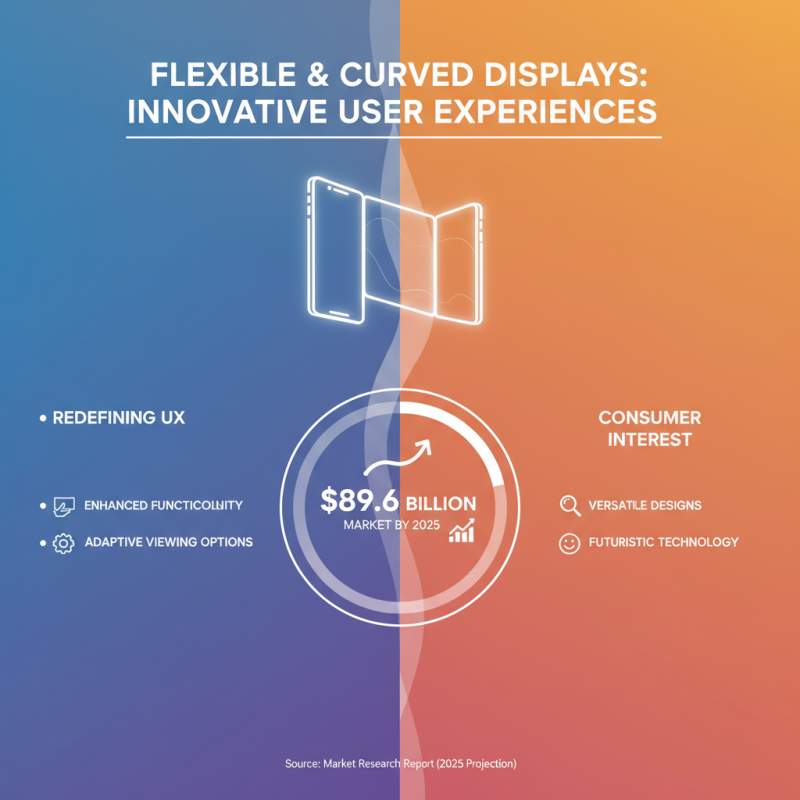
Flexible and curved displays are redefining the user experience in today's tech landscape. These innovations are not just aesthetic; they enhance functionality. A report by market research indicates that the flexible display market is projected to reach $89.6 billion by 2025. This growth suggests an increasing consumer interest in versatile viewing options.

Curved displays provide immersive experiences. They create a wider field of view, which can be particularly beneficial in gaming and video applications. Users often report a feeling of being 'in' the action. However, not all users appreciate this design; some find it distracting. Finding the perfect balance is essential in any design process.

**Tip**: Experiment with different display types before making a decision. Consider how they fit into daily use. Not all users may find flexible designs practical. Some may prefer traditional displays for consistency. Be open to reflecting on your experience. Think about what works best for you and why. Flexibility in design is exciting, but it should enhance usability, not hinder it.